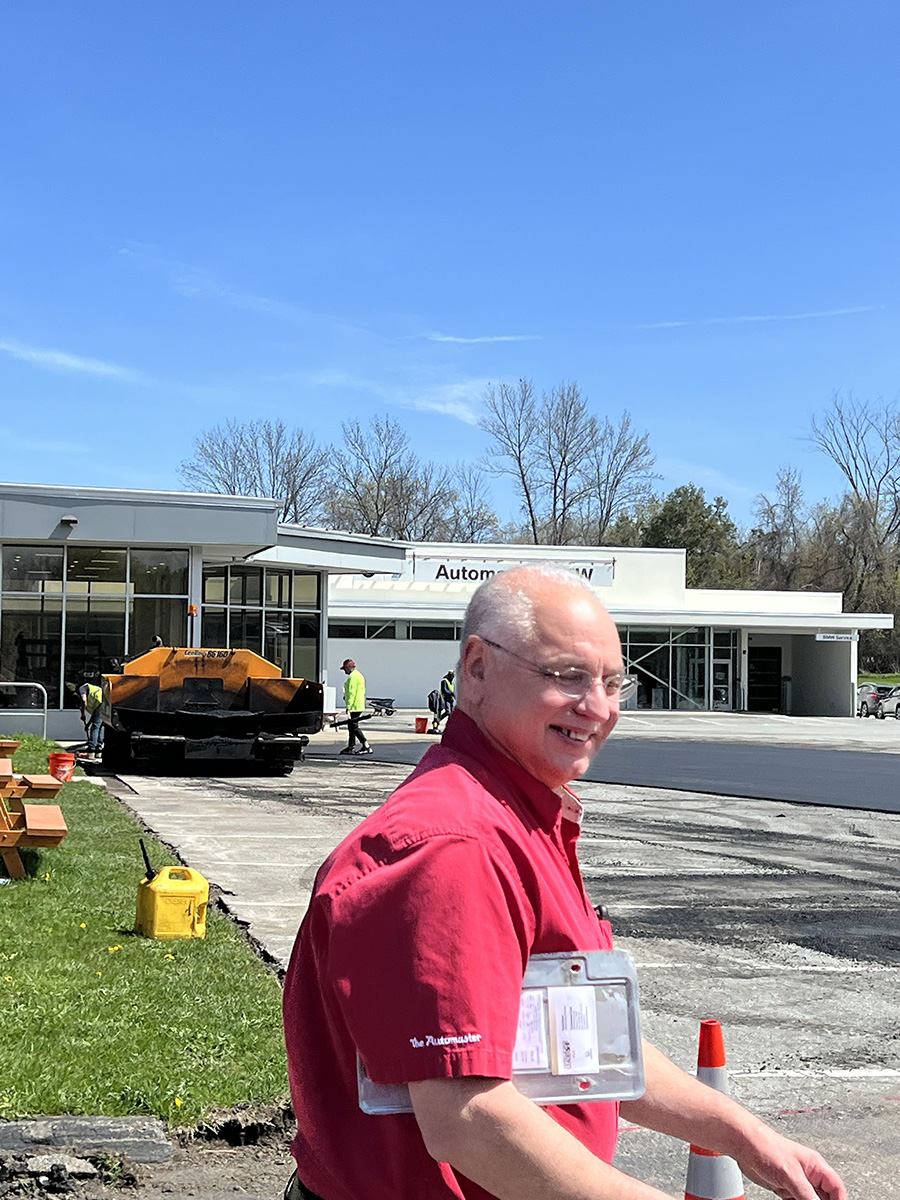
Achieving success in the driveway and parking lot paving requires careful planning, attention to detail, and adherence to industry best practices. Whether you’re a homeowner looking to pave your driveway or a business owner responsible for a parking lot, here’s the ultimate guide to help you achieve paving success:
Assess the area to be paved, considering factors such as size, slope, and drainage. Work with a professional engineer or contractor to design a layout that optimizes space and ensures proper water runoff.
Check local regulations and obtain the necessary permits before starting any paving project. Compliance with zoning laws and environmental regulations is crucial.
Establish a realistic budget that includes all costs associated with the project, such as materials, labor, equipment rental, and any required permits.
Choose appropriate paving materials based on your budget, aesthetic preferences, and the intended use of the area. Options include asphalt, concrete, pavers, and gravel.
Research and interview multiple paving contractors. Check their reputation, reviews, and past projects. Ensure they are licensed, insured, and have experience with projects similar to yours.
Obtain detailed quotes from potential contractors. The quote should outline all costs, including material specifications, labor, equipment, and any potential additional charges.
Before work begins, sign a detailed contract that clearly outlines the scope of work, timeline, payment schedule, and any warranties offered. Make sure both parties have a clear understanding of expectations.
Clear the site of any debris, vegetation, or obstacles. Grade the area to ensure proper water drainage away from structures.
Install a stable subbase to provide a solid foundation for the pavement. The type of subbase material depends on the chosen paving material (e.g., crushed stone for asphalt or concrete).
If using asphalt or concrete, ensure proper mixing and installation according to industry standards. Temperature, humidity, and weather conditions can affect the curing process.
Implement strict quality control measures during the paving process. Regularly inspect the work to identify and address any issues promptly.
Apply a sealant to protect the surface and enhance durability. For concrete, consider finishing options such as stamping or staining for added aesthetics.
Schedule regular maintenance, including crack sealing, patching, and resealing, to extend the lifespan of the pavement. Follow the manufacturer’s recommendations for maintenance.
Integrate landscaping elements around the paved area to enhance aesthetics and promote a cohesive overall design.
Explore environmentally friendly paving options and practices, such as permeable pavers or materials with recycled content, to minimize the environmental impact.
Implement proper water management techniques to prevent water runoff issues. Consider adding green spaces or rain gardens to help absorb excess water.
Ensure compliance with the Americans with Disabilities Act (ADA) standards for parking lots. Provide accessible parking spaces and pathways as required.
If working on a parking lot, establish proper traffic control measures to ensure the safety of workers and users during construction.
Keep detailed records of the entire paving process, including contracts, permits, and any changes made during construction. This documentation can be valuable for future reference or if issues arise.
Keep copies of warranties and guarantees provided by the contractor or material suppliers. Understand the terms and conditions of these agreements.
By following these steps and considering the various aspects of driveway and parking lot paving, you can increase the likelihood of a successful project that meets your expectations in terms of durability, aesthetics, and functionality. Always consult with experienced professionals and adhere to industry standards for the best results.
If we're paving…you're saving. Call now for a free quote.